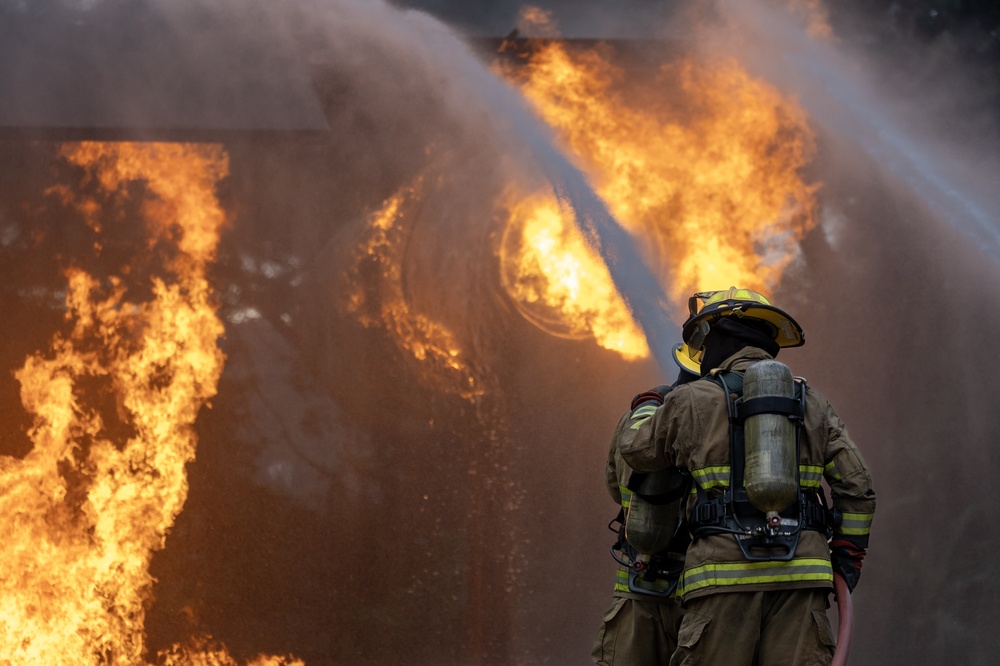
Firefighting in Charleston is meaningful work — and it carries a measurable, documented increase in cancer risk compared with the general population. That is not a reason for fear; it is a reason for a calm, well-built screening plan. Multiple national studies, including a long-running NIOSH analysis of nearly 30,000 career firefighters, have shown that firefighters experience higher rates of certain cancers, especially of the digestive, oral, respiratory, and urinary systems. The right response is not to wait for symptoms. It is to build a thoughtful screening cadence that gives you a baseline, catches changes early, and gives your family one less thing to worry about.
A complete firefighter cancer-screening plan typically includes an annual physical with cancer-focused bloodwork, age-appropriate standard screenings such as colonoscopy and low-dose lung CT for eligible smokers and ex-smokers, annual skin checks, and a periodic full-body MRI to evaluate organs that standard screenings do not cover — brain, spine, liver, kidneys, pancreas, adrenals, and pelvic structures. MRI Wellness in Charleston offers a Firefighter Screening Scan at $1,500 (and a Whole Body Scan at $2,200) without referral, with no contrast dye and no radiation, reviewed personally by Dr. Edward Tavel.
Why Firefighters Face Elevated Cancer Risk
The risk profile is well-documented. Firefighters are routinely exposed to combustion byproducts, polycyclic aromatic hydrocarbons, asbestos in older structures, volatile organic compounds, and per- and polyfluoroalkyl substances (PFAS) from firefighting foam and gear. NIOSH’s career-firefighter cohort study identified higher rates of mesothelioma, digestive-system cancers, oral and respiratory cancers, and certain urinary-tract cancers. The International Agency for Research on Cancer (IARC) has classified occupational exposure as a firefighter as carcinogenic to humans.
The risk is real, and so is the response. Charleston-area departments have steadily improved gear decontamination, on-scene hygiene, and post-incident showering. Screening is the second piece of that response — a regular, structured check-in with the parts of the body where these cancers most often begin.
The Five-Layer Screening Plan
An effective plan typically combines five layers, each addressing a different part of the body.
A yearly physical from your primary-care physician is the foundation. Bloodwork can include CBC, CMP, PSA (men 40+), liver-function tests, and any markers your physician deems appropriate based on your role and exposures. An annual full-body dermatology visit catches skin cancers early, which are highly treatable when identified at that stage. Colonoscopy is recommended starting at age 45 for average-risk adults — and earlier if there is a family history or symptoms; firefighters fall into a higher-risk category, so a conversation with your physician about starting earlier or screening more frequently is reasonable. Annual low-dose lung CT is recommended by the U.S. Preventive Services Task Force for eligible smokers and ex-smokers aged 50 to 80 with a 20-pack-year history. And a periodic whole-body MRI fills in the gap that the other screenings leave: it evaluates brain, spine, liver, kidneys, pancreas, adrenals, and pelvic structures — organs where firefighter-relevant cancers occasionally begin and where there is no routine, age-based screening test for the general population.
What the MRI Wellness Firefighter Screening Scan Covers
The dedicated Firefighter Screening Scan is priced at $1,500 and is designed specifically for active and retired firefighters. It includes imaging of the regions most relevant to firefighter occupational exposure: the brain, neck, chest, abdomen, and pelvis, with the same protocols and the same radiologist as the full Whole Body Scan. For those who want the most thorough single appointment, the Whole Body Scan at $2,200 adds the spine in detail.
Every scan is read personally by one of our board-certified radiologists, with a written report delivered within several business days. The practice is led by Dr. Edward Tavel, our Medical Director, and you can read more about his approach on the providers page. There is no contrast dye, no radiation, and no referral required.
How Often Should a Firefighter Repeat a Whole-Body MRI?
For most active firefighters, a sensible cadence is a baseline scan, followed by a repeat every two to three years. Earlier in your career, the baseline is the most useful piece of information you can have — it gives every future scan something specific to compare against. Later in your career, more frequent intervals may make sense in conversation with your physician, particularly if there is a known specific exposure event.
For retired firefighters, a screening MRI in the first few years of retirement is a thoughtful way to document the post-career baseline. Cancers from occupational exposures can develop years after exposure ends, and a structured screening cadence supports both peace of mind and clinical clarity if anything changes.
The Charleston First-Responder Context
Charleston-metro fire departments — Charleston City, North Charleston, Mount Pleasant, James Island, Sullivan’s Island, Folly Beach, St. Andrews, and the surrounding districts — face a particular mix of occupational exposure: marine and harbor incidents, older Charleston peninsula structures with historical building materials, industrial fires near the West Ashley and North Charleston corridors, and brush fires during dry summer stretches. The Charleston Fire Department’s foundation and several mutual-aid networks support firefighter health initiatives, and screening MRI is a natural extension of that work.
MRI Wellness has worked with Charleston-area firefighters since the clinic’s earliest days. Our published primer on why firefighters have an increased risk of cancer and the broader Firefighter Cancer Awareness Month overview are good companion reads.
Ready to Book Your Baseline?
If you are an active or retired Charleston-metro firefighter and want to talk through whether the Firefighter Screening Scan or the Whole Body Scan is the right starting point, the MRI Wellness team is happy to walk through your questions. There is no pressure to book on the call. You can reach the clinic through the contact page, or read more about the Charleston service area.
Frequently asked questions
Does the Firefighter Screening Scan require a referral?
No. You can schedule directly without a referral. Many firefighters share the report with their primary-care physician afterward, which is straightforward and encouraged.
Will my fire-department health plan or HSA cover this?
The scan is FSA and HSA eligible. Insurance coverage for preventive MRI varies by carrier and plan — most do not cover screening MRI directly, but FSA / HSA funds can typically be used. The MRI Wellness team can walk through your specific situation on a short call.
I'm a retired firefighter — is this still worth doing?
Yes. Many of the cancers associated with firefighter occupational exposure develop years after the exposure period. A periodic screening MRI in retirement provides peace of mind and a documented baseline for any future evaluation.
How does this compare with a hospital-based diagnostic MRI?
Hospital MRIs are diagnostic — ordered to evaluate a specific symptom. The MRI Wellness scans are screening — designed for healthy people who want a periodic check-in. Both serve a purpose; they answer different questions.
Will it find something?
Many scans identify one or more incidental findings — small, usually benign things that the radiologist documents carefully. About one in twenty scans surfaces something that meaningfully changes ongoing care. Our companion guide on incidental findings covers this in more depth.
How long does the scan take?
About an hour for the Firefighter Screening Scan, plus roughly 15 minutes on either side for paperwork and changing. You drive yourself home afterward and can return to normal activities, including a shift, the same day.
Sources
- Firefighter Cancer Rates: The Facts from NIOSH Research — National Institute for Occupational Safety and Health (NIOSH), 2017
- Occupational Exposure as a Firefighter (IARC Monographs Volume 132) — International Agency for Research on Cancer (WHO), 2023
- Lung Cancer: Screening — U.S. Preventive Services Task Force, 2021
- American Cancer Society Guideline for Colorectal Cancer Screening — American Cancer Society
- Fire Fighter Cancer Awareness Month — International Association of Fire Fighters