Routine checkups help with basic health maintenance, but they often offer only a limited snapshot. Health optimization takes a deeper, more proactive approach—using advanced tools, tracking trends over time, and leveraging early-stage detection to keep you informed and empowered. With the support of whole-body MRI imaging, patients can shift from simply maintaining their health to actively optimizing it.
- What Is Health Maintenance?
- Why Health Optimization Should Be the New Standard
- Tools That Make Health Optimization Possible
- A Proactive Partner in Your Health
Many of us grew up believing that “feeling fine” meant we were healthy. If a yearly physical and a few basic lab results come back normal, we assume we’re in the clear. That traditional model centers on one idea: if you aren’t sick, you’re well.
But more people are realizing that this reactive version of healthcare may be leaving important risks undetected. True health isn’t just the absence of illness—it’s strength, function, awareness, and the ability to detect problems early, when they’re far easier to address.
This shift from health maintenance to health optimization is gaining momentum nationally, particularly for individuals who want to be more proactive as they age. And it’s a shift supported by technology that didn’t exist a decade ago.
What Is Health Maintenance?
Health maintenance includes the routine steps we’re encouraged to take throughout adulthood. These measures remain essential:
• Establishing care with a primary physician
• Following standard screening guidelines such as mammograms, colonoscopies, Pap tests
• Tracking blood pressure, heart rate, weight, and basic labs
• Reviewing family history and monitoring symptoms when they arise
These are foundational pieces of good healthcare—but they capture only a moment in time.
A person can have “normal” lab ranges and still be developing issues that progress silently for years. For example:
• Only 12% of U.S. adults have optimal metabolic health, even with normal BMI readings.
• Only 14% of cancers are found through standard screening protocols.
• Roughly 90% of individuals with kidney disease do not know about it until it progresses.
Maintenance keeps you on track, but it does not always reveal early internal changes—especially those without symptoms.
Why Health Optimization Should Be the New Standard
Health optimization goes beyond checking the boxes. Instead of waiting for symptoms, individuals work to understand what is changing inside their bodies long before problems interfere with daily life.
This approach focuses on longevity, performance, and resilience—qualities that depend heavily on early detection. By monitoring and measuring health metrics over time, people can intervene earlier, adjust lifestyle patterns more effectively, and lower the risk of chronic disease.
Some of the most common early-stage issues that benefit from this approach include:
Metabolic dysfunction. An estimated 41% of U.S. adults meet the clinical definition of metabolic syndrome, elevating their risk for diabetes, heart disease, and stroke.
Muscle loss. Sarcopenia impacts at least 10% of adults over age 65 and nearly half of adults over 80, increasing fall risk, mobility limitations, and overall frailty.
Cognitive decline. Nearly one-third of adults over age 65 experience measurable cognitive impairment, and risk varies across different demographic groups.
Optimization helps identify subtle shifts in these areas early—years before functional decline begins. Small, targeted corrections can have long-term, measurable impact.
Tools That Make Health Optimization Possible
Optimization is grounded in data—not assumptions.
Instead of relying solely on outward symptoms or yearly snapshots, patients now have access to tools that provide a clear, accurate view of what’s happening beneath the surface.
1. Data Tracking
Monitoring biomarkers such as A1C, inflammatory markers, lipids, and liver function over time helps identify patterns that may not be obvious in a single test.
2. Advanced Imaging
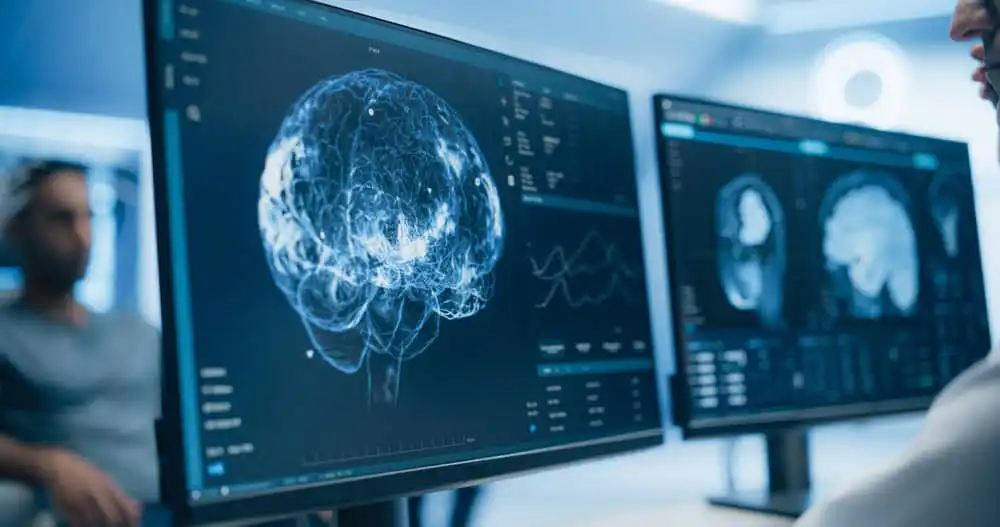
Whole-body MRI has become one of the most comprehensive, non-invasive tools available for early detection. It can help reveal:
• Early organ changes
• Tumors before symptoms arise
• Silent aneurysms
• Soft-tissue abnormalities
• Musculoskeletal conditions
• Liver, kidney, and other organ-specific changes
Unlike CT scans or X-rays, MRI Wellness imaging uses no ionizing radiation and no contrast dyes.
3. Personalized Insights
Combining baseline MRI imaging results with labs and medical history gives patients clear, actionable information. This helps guide adjustments in exercise, nutrition, sleep, stress management, and long-term health planning.
Instead of applying generalized recommendations, optimization tailors the approach to your body.
A Proactive Partner in Your Health
You cannot change what you cannot see. Whole-body MRI provides clarity—allowing individuals to understand risk earlier and intervene sooner.
At MRI Wellness, a full-body scan can identify early-stage concerns including:
• Stage 0 or stage 1 cancers
• Vascular abnormalities and aneurysms
• Organ-specific changes (liver, kidneys, pancreas)
• Musculoskeletal issues, including early degeneration
• Indicators of cognitive decline
• Hidden inflammation or structural changes
With support from Edward M Tavel, MD and the medical team and our U.S.-trained, fellowship-trained radiology team, every scan is reviewed with precision and discussed with care.

Ready to Take a Proactive Approach?
Health maintenance keeps you stable. Health optimization helps you thrive.
Whole-body MRI gives you the opportunity to move from reactive medicine to proactive decision-making, backed by detailed internal insights.
To learn more about how early detection can reshape your long-term health—or to schedule your scan—contact MRI Wellness today.

Frequently asked questions
Are normal lab results enough to assume good health?
Not always. Many conditions progress silently before labs show clear abnormalities.
How can I track my progress over time?
Regular imaging, biomarker testing, and objective trend monitoring help build a clearer picture of your health trajectory.
How does early detection improve outcomes?
Catching changes early allows you to intervene sooner, which can reduce risk, prevent decline, and improve long-term outcomes.
What tools support health optimization?
Whole-body MRI, biomarker tracking, wearable devices, functional assessments, and ongoing monitoring of trends.
What’s the difference between health maintenance and health optimization?
Maintenance includes routine checkups and standard screenings. Optimization uses deeper tools—such as advanced imaging and personalized insights—to identify concerns early and guide lifestyle improvements.