From celebrity endorsements to social media, you have probably heard about full-body scans. What usually gets lost is the practical detail: what it costs, what to wear, whether you can eat, and what actually happens afterwards.
These are the full body MRI questions we get asked most, answered plainly. The full set is in the accordion at the end of this article.
Deciding Whether a Scan Is Right for You
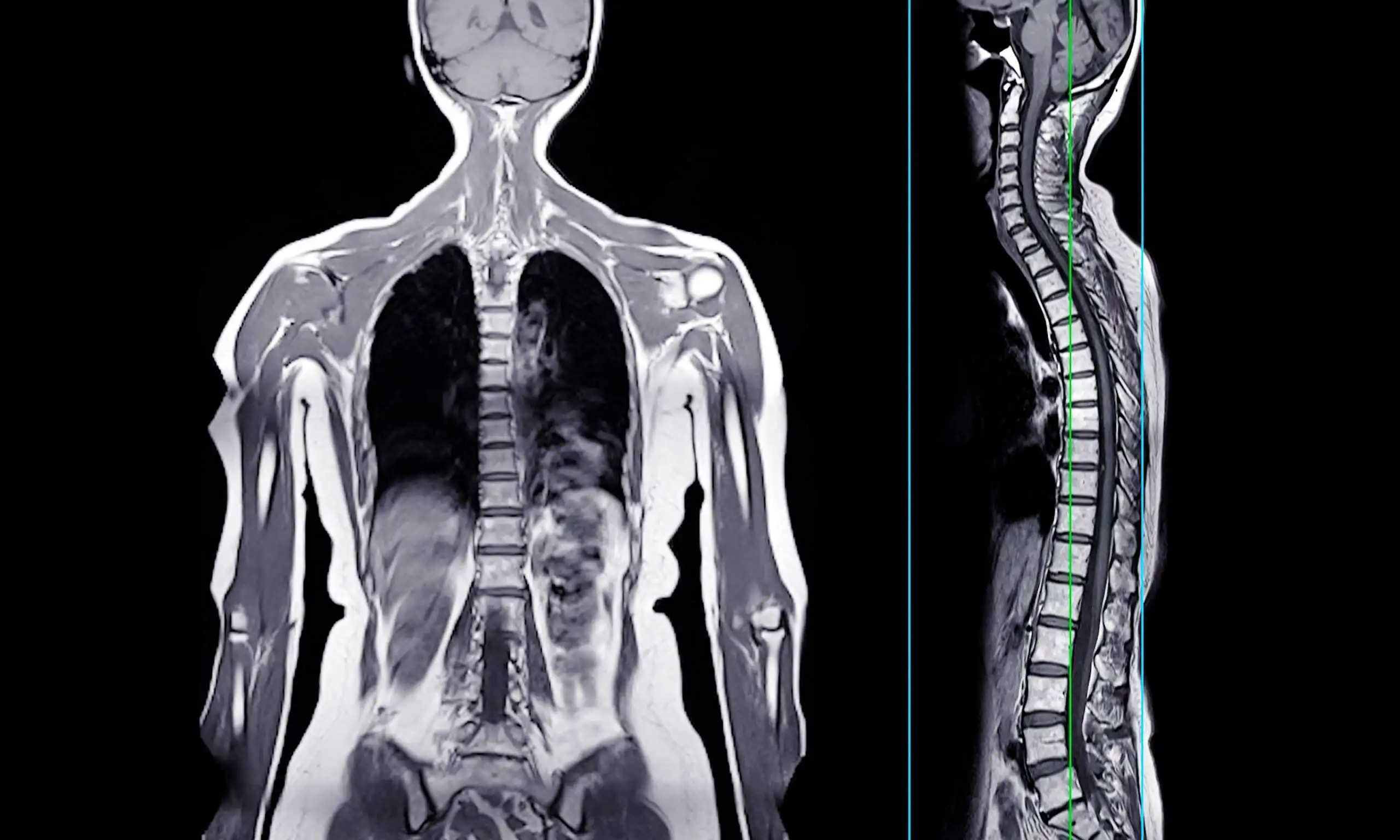
A whole-body MRI screens 13 organ systems for roughly 500 conditions, with no ionizing radiation and no contrast dye. It is an elective service, which means the decision is yours rather than something a guideline sends you to.
We should be straight about that last point. The American College of Radiology does not currently recommend total body screening for people with no symptoms, risk factors or suggestive family history, and notes it can produce non-specific findings that lead to follow-up testing. Plenty of people choose it anyway as an informed decision, and that is legitimate. But it should be informed, and it is not a substitute for mammography, colonoscopy, cervical screening or low-dose CT if you are eligible.
It is worth going in knowing that scans of healthy people turn up incidental findings, most of which resolve as nothing after further testing. We cover that honestly in what incidental findings actually are and whether a full-body MRI is worth it.
Preparing for Your Scan
We ask you not to eat for four hours beforehand, which is about image quality rather than safety. Keep drinking water and take your usual medications unless your doctor says otherwise. We provide scrubs, so there is no outfit to plan, but leave jewellery, watches and metallic accessories at home.
The most important part of preparation is telling us about anything implanted or embedded: a pacemaker or defibrillator, a cochlear implant, a nerve stimulator, an implanted pump, an aneurysm clip, a recently placed stent, or any history of a metal fragment in your eye or work as a welder or metal grinder. Most modern implants are perfectly safe to scan once we know exactly what they are. Almost all IUDs are scanner-safe, and we check the safety rating of every device.
For a fuller walkthrough, see what to expect during your first scan.
During and After
Scans run from 30 to 75 minutes depending on which you choose. The scanner is air-conditioned, you stay in contact with your technologist through a two-way intercom throughout, and we offer headphones or earplugs, which you will want because the machine is genuinely loud.
Afterwards, your images are interpreted by our board-certified, fellowship-trained radiologists. They review the findings with you and share the report with your healthcare team, which matters, because acting on a finding usually belongs with the doctor who knows your history.
Schedule Your Scan
Taking a proactive approach starts with understanding, and we would rather answer your questions honestly than leave them unanswered. Take a look at our complete list of FAQs, then schedule your scan or call our team to talk it through first.
This article is for general education and is not medical advice.
Frequently asked questions
Can anyone get a full body MRI?
Practically, yes, and no referral is required. Whether you should is a different question. It is an elective screening service rather than a guideline-recommended test, so it is worth discussing with your doctor first, particularly if you have symptoms, in which case a targeted test is usually the better route. The main practical restrictions are implanted devices we cannot safely scan and, occasionally, body size relative to the scanner bore.
Is a full body MRI safe?
Yes. Misunderstandings often group MRI with CT, X-ray and PET scans, but our scanner uses a magnetic field and radio waves rather than ionizing radiation, and our scans use no contrast dye. The main safety consideration is metal, which is why we screen carefully for implants and any history of metal fragments in the eye.
Can I get a full body scan if I have an IUD?
Almost certainly. Nearly all IUDs are scanner-safe, and we check the MRI safety rating of every device. If you have another implant or wearable, such as a pacemaker or cochlear implant, tell us the specific model before your appointment. Many are safe to scan; some are not, and knowing which is which is the whole point of the safety screening.
Can I eat the day of my scan?
We ask you not to eat for four hours beforehand. This is about image quality rather than safety: a quieter digestive system produces sharper images of your abdomen, and a gallbladder that has not been emptied by a recent meal is easier to assess. Keep drinking water and take your regular medications unless your doctor has told you otherwise.
What should I wear to my scan?
Nothing special, because we provide a set of scrubs. Do remove jewellery and all metallic objects beforehand, including your wallet, watch, belt, glasses, dentures and any hairpieces. It is also worth skipping makeup and nail polish, which can contain metal particles, and avoiding athletic wear with metallic threads.
What does a full body MRI cost?
It depends which scan you choose. The whole-body scan is $2,200 and images you from head to toe. The brain and spine scan is $950. The torso scan, covering chest, abdomen and pelvis, is $1,800. Screening scans are generally not covered by insurance, though HSA and FSA funds can often be used, and we accept major cards, Affirm financing and cash.
How long does a whole body scan take?
Between 30 and 75 minutes depending on the scan. The scanner is air-conditioned, you are in contact with your MRI technologist through a two-way intercom the whole time, and we offer headphones or earplugs. You will want them, because the scanner makes loud knocking and buzzing sounds as it works. That noise is normal.
What happens after my scan?
Your images are interpreted by our board-certified, fellowship-trained radiologists. They review the findings with you and share the report with your healthcare team. That last part matters: if something is found, acting on it usually belongs with the doctor who knows your history, and follow-up testing may sit with them.
Does MRI Wellness offer financing?
Yes. We accept Affirm financing, major credit cards including FSA and HSA cards, and cash, and you can also request reimbursement through your FSA or HSA account. Contact our team to talk through payment options.
Sources
- ACR Statement on Screening Total Body MRI — American College of Radiology, 2023
- MRI Safety — RadiologyInfo.org (RSNA/ACR)
- Magnetic Resonance Imaging (MRI) of the Body — RadiologyInfo.org (RSNA/ACR)
- Publication 502, Medical and Dental Expenses — Internal Revenue Service, 2025
- Whole-body MRI for preventive health screening: A systematic review of the literature — Journal of Magnetic Resonance Imaging, 2019